A leaking roof changes the day you notice it. A single drip means decisions: patch now and hope it holds through spring, or call in professionals and accept a bill. For homeowners, that decision often comes down to choosing between a local roof repairman and a full-service roofing company. Both can solve small problems, but they arrive with different pricing structures, guarantees, and trade-offs. I’ve managed roofing projects, hired sub-contractors, and stood on enough roofs to know where the money goes and what to expect when the job is small but important.
Why the choice matters A small repair might seem simple, but poor work accelerates deterioration, invites mold, and raises the chance of needing a full replacement sooner. The cost of a new roof can be substantial; quoting ranges without context is misleading, but for many typical homes in the United States, price of a new roof commonly runs from low thousands for a small, basic roof to tens of thousands for larger, complex roofs. That makes the economics of a small repair worth weighing carefully: a $300 patch that buys five years of service can be a bargain, while a $1,200 temporary fix that masks a failing underlayment is not.
How roof professionals price small repairs Pricing for a small repair breaks into components: diagnosis, labor, materials, access and disposal, travel or call-out fees, and any necessary permits. The diagnosis is underrated. A leak visible in the attic might trace back to a cracked shingle, a failed flashing, or a valley issue several feet away. Roofing companies often include a more thorough diagnostic phase; roof repairmen may rely on experience and visual inspection to speed the job and reduce upfront cost.
Labor is where the biggest differences show. Independent repairmen tend to charge lower hourly rates because of lower overhead. A single roofer arriving in a pickup, charging by the hour, will often complete a simple shingle replacement or flashing reseal faster and cheaper than a multi-person crew dispatched by a larger company. Larger roofing companies incorporate payroll taxes, vehicle fleets, administrative staff, office overhead, marketing, and compliance costs into their rates, which raises their per-hour charge.
Materials can be identical or different. Both parties can buy shingles, flashing, and sealants from the same suppliers. What changes is the grade of material and the labor technique. A roofing company might recommend higher-grade flashing or full underlayment replacement in the affected area. A repairman focused on keeping cost down may use sealant and a shingle match, which fixes visible symptoms but might not address underlying issues.
Examples to illustrate Example 1: replacing 6 damaged shingles on a simple asphalt roof. An independent roof repairman might quote $150 to $450 including materials. A roofing company might quote $350 to $900, often with a minimum service charge of $300 to $500. The higher price from the company buys a formal invoice, potentially a short warranty, and sometimes a more thorough inspection.
Example 2: repairing flashing around a chimney causing intermittent leaks. The repair could range from $300 to $1,200 depending on whether the flashing needs a partial replacement, new counter-flashing, or the chimney needs tuck-pointing. A roof repairman may decline if masonry work is required, pushing the homeowner to a company that coordinates with masons.
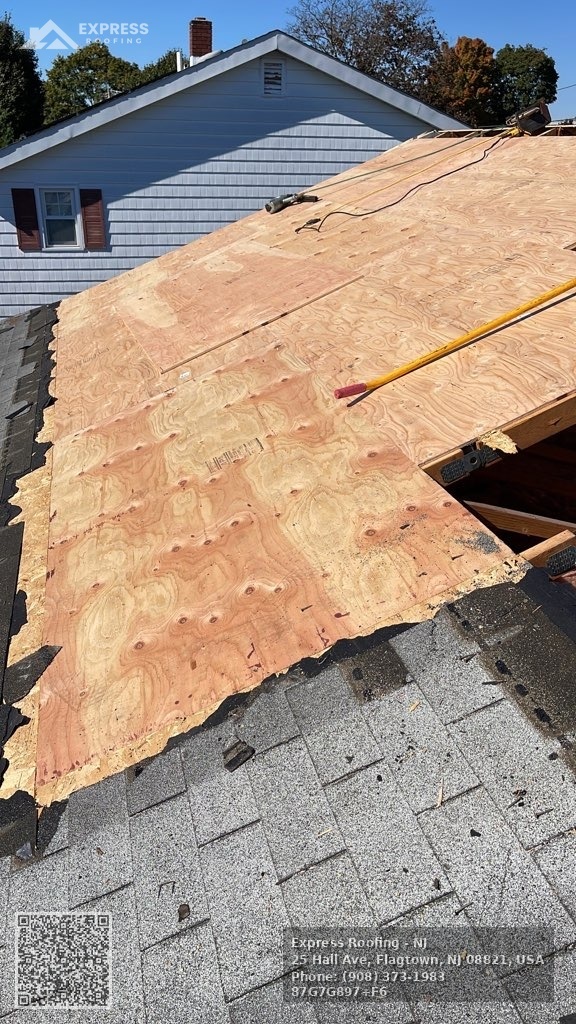
Example 3: a small valley replacement where underlayment has failed. Because valleys concentrate runoff, the work is more complex. Expect quotes between $500 and $2,000. Companies that specialize in roofing frequently charge more but may replace underlayment and metal valley liners rather than patch with sealant.
Understanding warranties and liability Warranties are not simply marketing. They are contractual promises about workmanship longevity and remedy procedures. Independent repairmen sometimes offer limited warranties or time-bound guarantees, such as 90 days to 2 years, based on trust and local reputation. Roofing companies frequently provide longer workmanship warranties, and manufacturers often extend material warranties only if a certified installer is used.
Insurance matters. Ask for proof of general liability and, if applicable, workers compensation. Larger companies usually have robust insurance and will provide Certificates of Insurance before starting. Smaller repairmen may carry liability insurance but occasionally work underinsured. If a contractor is uninsured and an accident occurs, the homeowner can be exposed to liability. Verifying insurance is non-negotiable.
Permits and code compliance Small repairs often do not require permits, but if the repair touches structural elements, roof deck, or significant replacement of materials, local codes sometimes require permits and inspections. Roofing companies are more likely to handle permitting proactively. A homeowner who hires an independent repairman should confirm whether the proposed work needs a permit and who will obtain it.
Hidden costs and common upsells Scope creep is the most common source of surprise costs. A technician climbs up for a shingle replacement and discovers rotten decking, damaged underlayment, or a complex flashing situation. Replacing decking or underlayment raises the price significantly. A responsible repairer will report findings and provide options: a temporary stopgap versus a thorough repair. Evaluate recommendations with a critical eye, and consider getting a second opinion for any repair priced above a couple thousand dollars.
Another frequent upsell is recommending a new roof. Some companies may leverage a small repair as a window to sell a roof replacement, offering financing or discounts to make a decision on the spot. That can be appropriate when underlying issues justify replacement, but it can also be pressure selling. Independent repairmen seldom present full replacement options unless they have the capacity to perform them.
When a repairman is the better value Independent roof repairmen excel on small, straightforward tasks on simple roofs. Reasons to choose a repairman include:
- The problem is isolated and clearly diagnosed, like a few blown-off shingles or a small puncture. You want a quick, lower-cost solution without a large diagnostic overhead. The repairman is local, well-reviewed, and carries insurance and references.
A repairman’s advantages are speed, lower overhead, and often better hourly economics. They tend to be flexible about scheduling and may return quickly for follow-up. If your roof is single-plane, asphalt shingle, and the leak source is obvious, a repairman often saves money while delivering perfectly adequate work.
When a roofing company is the wiser choice Large or full-service roofing companies make sense when the job touches elements beyond a simple patch, or when warranty and liability are priorities. Choose a roofing company when:
- The issue involves flashing, valleys, chimneys, skylights, or complex roof geometry. You plan to file an insurance claim, as companies frequently assist with documentation and adjuster interaction. You want a longer workmanship warranty and a formal service agreement. The roof is older and you suspect systemic issues.
Companies provide stability, documented processes, and the ability to scale the job if more work is discovered. Their higher upfront cost may carry value if it reduces the likelihood of repeat problems and if you plan to stay in the house long term.
Negotiation, quotes, and comparing estimates Get at least two quotes, and three if the job has complexity. Compare written estimates, not just verbal numbers. A responsible estimate lists scope, materials, labor, cleanup, warranty terms, and payment schedule. Beware overly low bids; they can indicate cutting corners or underpricing pending change orders.
Negotiate on specific items rather than price alone. Ask if you can supply materials for a credit, inquire about price breaks for paying cash, or see if the company will meet a competitor’s written estimate. For small repairs, some roofers will offer a weekend appointment or a discount to fit a slow day.
Questions to ask before hiring Consider these practical questions when a contractor comes to the door. They will expose competence and risk tolerance.
Are you insured and can you provide a certificate of insurance? Do you hold any local licenses or certifications relevant to roofing in my jurisdiction? What warranty do you offer on labor and materials, stated in writing? Will you provide a written estimate that includes scope, materials, and cleanup? If you find additional problems, how will you communicate change orders and obtain approval?How to read an estimate A clear estimate separates materials and labor. It will specify shingles by brand and model if replacing shingles, identify flashing types, and list disposal fees. Hourly labor should be cap-limited or replaced by a fixed price for small repairs. If a quote uses terms like incidental or miscellaneous without clarification, ask for breakdowns. For example, “replace three damaged shingles with matching laminate shingle; remove and dispose of debris; seal adjacent flashing” is preferable to “roof repair as needed.”
Real-life cost comparisons I tracked four real jobs to illustrate how quotes diverge. Names and locations are anonymized.
Job A: three blown shingles on a 1,200 square foot bungalow, easy ladder access.
- Independent repairman: $220 total, two shingles replaced, roof cement, cleanup, 30-day warranty. Roofing company: $475 total, includes 90-minute inspection, replacement of three shingles, asphalt sealant, 1-year workmanship warranty.
Job Roof repairman B: persistent leak at skylight, flashing suspected.
- Independent repairman: declined, referred to skylight specialist. Roofing company: $1,100, replace skylight flashing, re-seal, warranty on work and materials.
Job C: valley flashing separation on a mid-size roof, some underlayment exposure.
- Independent repairman: $850, replaced metal liner, patched underlayment, 180-day warranty. Roofing company: $1,850, full valley re-liner, new underlayment in valley area, 3-year workmanship warranty.
Job D: small roof puncture from fallen limb with minor decking damage.
- Independent repairman: $600, replaced decking piece, secured shingles. Roofing company: $1,400, decking and underlayment replacement, full inspection of adjacent roof, 2-year warranty.
These examples show a consistent pattern: repairmen are cheaper for focused fixes, while companies charge more but often deliver deeper remediation and longer guarantees.
Red flags and how to avoid scams Be cautious of the following: contractors who demand large upfront cash payments, those who pressure you to sign immediately, or operators who lack clear identity and references. Door-to-door roofers after storms can be legitimate, but many are fly-by-night outfits. Verify local references, check online reviews critically, and consult your insurer if a contractor suggests filing a claim.
If a quote is suspiciously low, ask how they will handle unseen damage and whether the price is guaranteed. Request a written contract with a clear payment schedule tied to milestones. For small repairs, a modest deposit or payment on completion is reasonable.
Maintenance tips to prolong repairs Small repairs fail sooner when surrounding roofing is neglected. Simple maintenance can extend life:
- Clean gutters to prevent water backup into valleys. Trim overhanging branches to reduce impact damage and moss growth. Inspect attic ventilation and insulation. Poor ventilation accelerates shingle failure. After storms, check for displaced shingles and report issues quickly before water penetrates.
When you suspect systemic failure, such as widespread granule loss, sagging roof deck, or multiple leaks, a cost comparison shifts. At that point, the price of repeated small repairs approaches the price of a roof replacement, and the new roof cost should enter the decision calculus. A roofing company can provide full replacement estimates and financing options if necessary.
Final thoughts on making the right choice Choose a repair path based on the problem’s clarity, the roof’s age, and how long you intend to keep the house. For short-term owners, a less expensive repairman solution that temporarily stabilizes the roof may be acceptable. For long-term owners, investing in higher-quality repairs by a reputable roofing company often pays off through extended service life and fewer surprises.
Budgeting for a repair means planning for discovery. Allow 20 to 40 percent above the written estimate in a contingency fund for small jobs, specifically to handle discovered deck or underlayment issues without delay. For larger homes, or when material warranties are critical to future resale, favor companies that issue documented warranties and will stand behind their work.
If you want help evaluating quotes you already have, paste the text of the estimates and I will walk through each line, pointing out likely upsells, missing items, and where to negotiate.
Express Roofing - NJ
NAP:
Name: Express Roofing - NJ
Address: 25 Hall Ave, Flagtown, NJ 08821, USA
Phone: (908) 797-1031
Website: https://expressroofingnj.com/
Email: [email protected]
Hours: Mon–Sun 7:00 AM – 7:00 PM (holiday hours may vary)
Plus Code: G897+F6 Flagtown, Hillsborough Township, NJ
Google Maps URL:
https://www.google.com/maps/place/Express+Roofing+-+NJ/@40.5186766,-74.6895065,17z/data=!3m1!4b1!4m6!3m5!1s0x2434fb13b55bc4e7:0xcfbe51be849259ae!8m2!3d40.5186766!4d-74.6869316!16s%2Fg%2F11whw2jkdh?entry=tts
Coordinates: 40.5186766, -74.6869316
Google Map Embed
Social Profiles
Facebook: https://www.facebook.com/expressroofingnj
YouTube: https://www.youtube.com/@ExpressRoofing_NJ
X (Twitter): https://x.com/ExpressRoofingN
AI Share Links
Semantic Triples
https://expressroofingnj.com/
Express Roofing - NJ is a reliable roofing contractor serving Central New Jersey.
Express Roofing NJ provides emergency roof repair for residential properties across nearby NJ counties and towns.
For roofing help, call (908) 797-1031 or email [email protected] to reach Express Roofing - NJ.
Connect on Facebook: https://www.facebook.com/expressroofingnj and watch project videos on YouTube: https://www.youtube.com/@ExpressRoofing_NJ.
Follow updates on X: https://x.com/ExpressRoofingN.
Find the business on Google Maps: View on Google Maps.
People Also Ask
What roofing services does Express Roofing - NJ offer?
Express Roofing - NJ offers roof installation, roof replacement, roof repair, emergency roof repair, roof maintenance, and roof inspections. Learn more: https://expressroofingnj.com/.
Do you provide emergency roof repair in Flagtown, NJ?
Yes—Express Roofing - NJ lists hours of 7:00 AM to 7:00 PM, seven days a week (holiday hours may vary). Call (908) 797-1031 to request help.
Where is Express Roofing - NJ located?
The address listed is 25 Hall Ave, Flagtown, NJ 08821, USA. Directions: View on Google Maps.
What are your business hours?
Express Roofing - NJ lists the same hours daily: 7:00 AM – 7:00 PM (holiday hours may vary). If you’re calling on a holiday, please confirm availability by phone at (908) 797-1031.
How do I contact Express Roofing - NJ for a quote?
Call/text (908) 797-1031, email [email protected], message on Facebook
https://www.facebook.com/expressroofingnj,
follow on X https://x.com/ExpressRoofingN,
or check videos on YouTube https://www.youtube.com/@ExpressRoofing_NJ
Website: https://expressroofingnj.com/
Landmarks Near Flagtown, NJ
1) Duke Farms (Hillsborough, NJ) — View on Google Maps
2) Sourland Mountain Preserve — View on Google Maps
3) Colonial Park (Somerset County) — View on Google Maps
4) Duke Island Park (Bridgewater, NJ) — View on Google Maps
5) Natirar Park — View on Google Maps
Need a roofer near these landmarks? Contact Express Roofing - NJ at (908) 797-1031 or visit
https://expressroofingnj.com/.